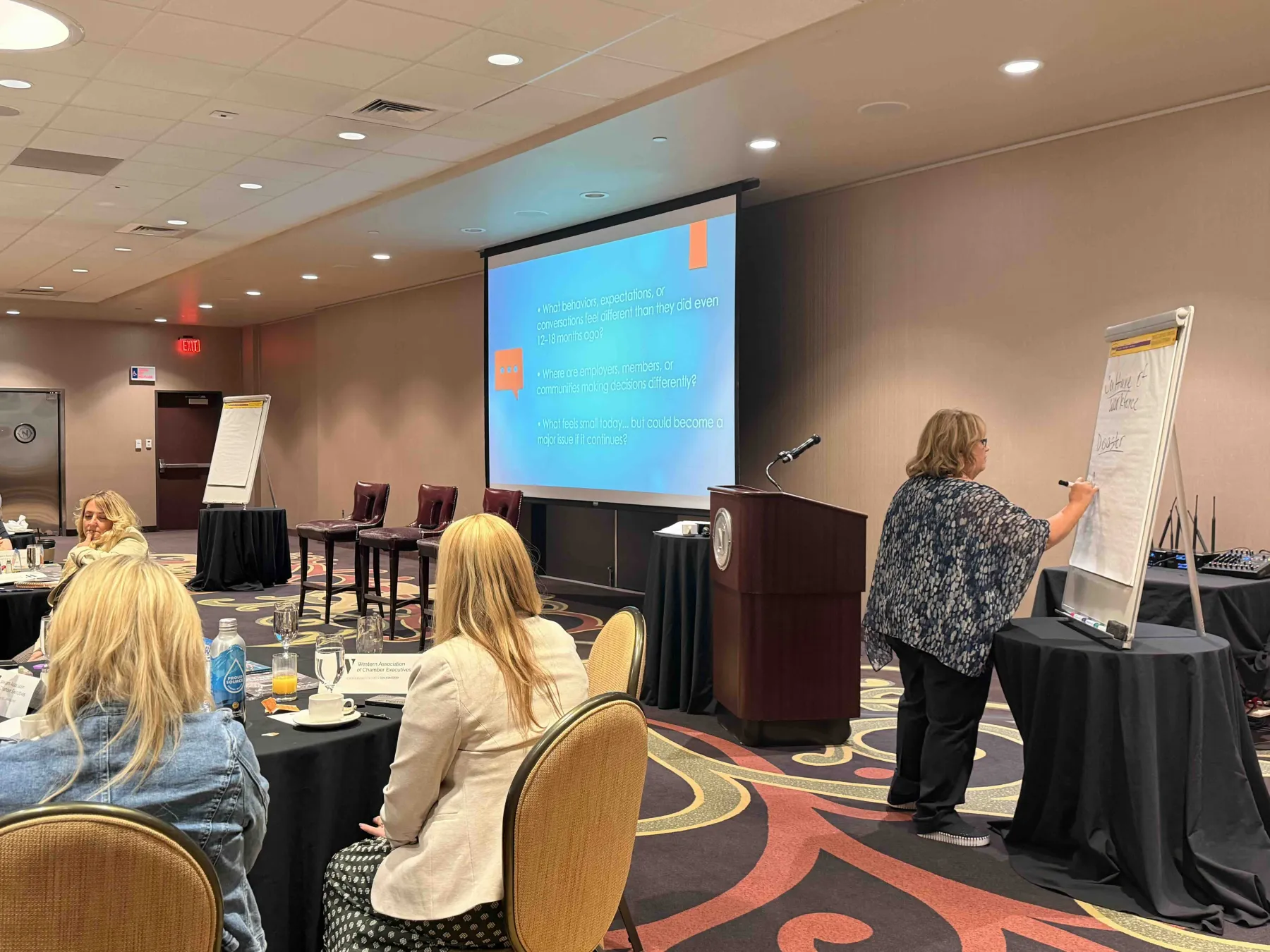

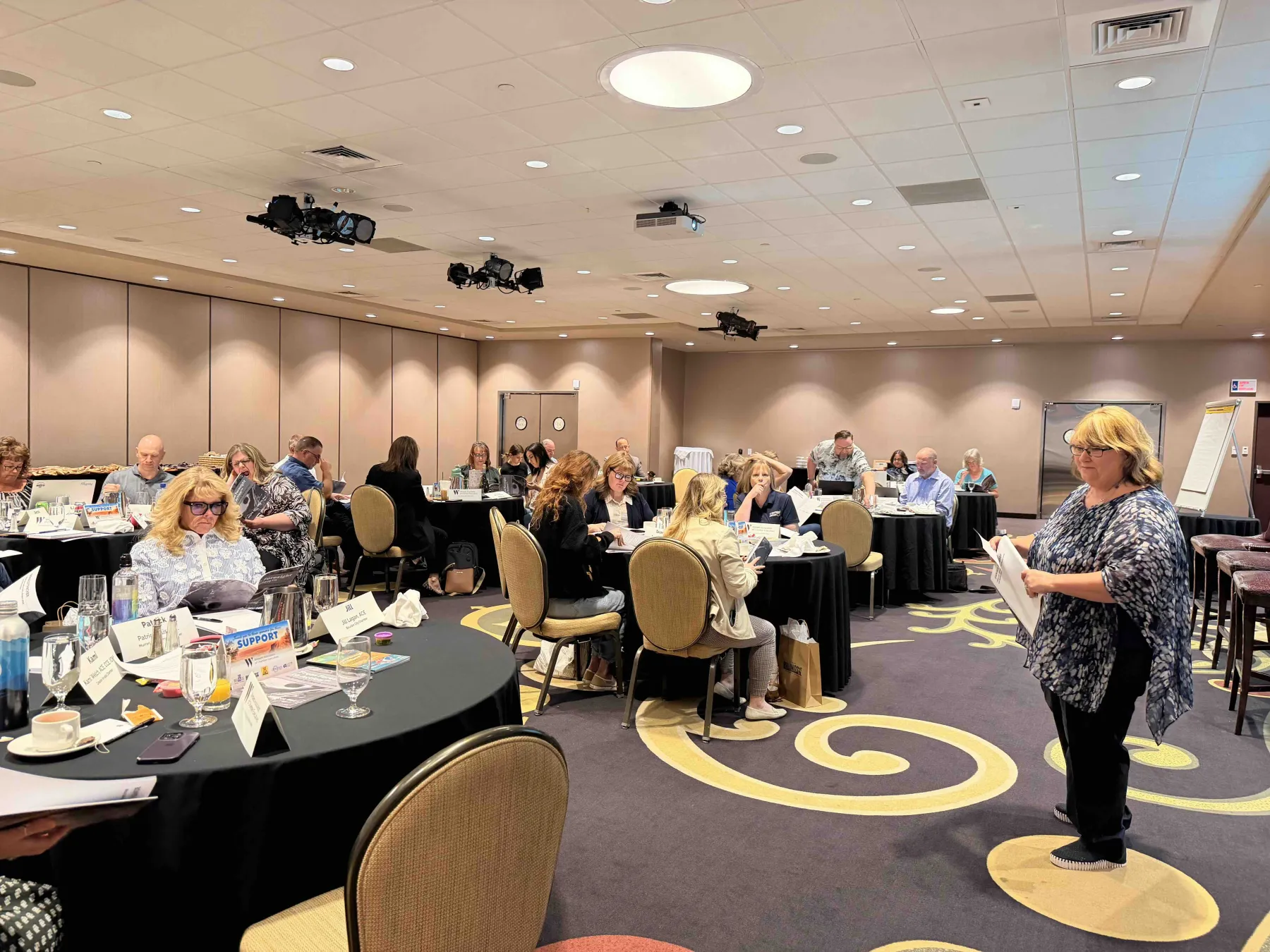
During four decades of working with boards and executive teams, I have seen strategic plans in every shape and size. Some were thoughtful and useful. Others were polished documents that made little difference once the retreat ended. A year later, board members and staff still wrestled with the same questions: What comes first? Where should we invest? Which opportunities fit? What can wait?
A strategic plan should make those choices easier. It should connect the organization’s long-term direction to decisions about time, money, people, and partnerships. When it cannot do that, the organization may have completed a planning process without gaining much direction.
Direction begins with choices
Many planning processes begin by asking, “What should we do?” That question usually produces a long list. Every program, concern, opportunity, and good idea finds a place. The organization leaves with more work, but no clearer sense of what deserves concentrated attention.
Start with the results the organization needs to create and the few issues that matter most. Clear direction should answer where the organization will focus, what it will do differently, and what it will defer or decline. If everything remains a priority, the plan has avoided the central work of strategy.
Core operations can remain essential without becoming strategic priorities. Priorities identify the work that requires unusual leadership attention, new investment, or meaningful change.
Start with evidence
A retreat should not be the first time leaders encounter the information shaping the organization’s future. Useful planning begins with an honest view of current performance and the conditions around the organization.
That view may include financial and program results, member or customer feedback, staff capacity, demographic and workforce changes, policy developments, and other signals from outside the organization. The purpose is to understand what is steady, what is shifting, and which assumptions may no longer hold.
Research does not make the decision. It gives leaders a stronger basis for making one. It should surface the choices that need attention, not disappear into a thick background report that no one uses.
Give stakeholder engagement a purpose
Interviews, surveys, listening sessions, and focused conversations can reveal needs and tensions that are not visible from the boardroom. The process works best when leaders are clear about why they are asking for input, which questions are open, who will make the final decision, and how participants will hear what happened next.
Listening broadly improves the quality of a decision. It does not transfer responsibility for the decision. The board and executive team still have to weigh competing views, mission, resources, and long-term consequences. A credible process respects the input without pretending every suggestion can become a priority.
Use facilitation to reach clarity
The facilitator’s job is to improve the quality of the conversation and help the group make the decisions in front of it. That includes separating facts from assumptions, naming tradeoffs, making room for disagreement, and keeping one voice from controlling the room.
Broad phrases need to become specific choices. “Increase engagement” sounds positive, but it does not explain whose engagement matters, what value the organization will offer, or what result should change. If a priority could appear in almost any organization’s plan, it needs more work.
The goal is clear agreement where agreement is possible and an honest record of unresolved choices where it is not. Artificial consensus only moves the disagreement into implementation.
Know when to refresh or rebuild
An aging plan does not automatically require a complete restart. A strategy refresh may be enough when the mission and overall direction remain sound, but priorities need to be narrowed, resequenced, or updated. A refresh can also strengthen measures, clarify ownership, and account for changes in capacity or outside conditions.
A full planning process is more appropriate when the organization’s purpose is unclear, leadership is changing, the business or revenue model is under pressure, or board and staff members hold materially different views about the future. It may also be time to rebuild when the current plan no longer guides budgets, board agendas, or meaningful choices.
The calendar should not make this decision. First determine whether the organization needs a new direction or greater discipline around the direction it already has.
Keep board and staff roles clear
The board establishes or approves long-term direction, major priorities, decision guardrails, and significant resource commitments. It monitors results, tests assumptions, and decides when a strategic adjustment is needed.
The chief executive leads strategy development and execution. The CEO brings informed recommendations to the board, translates approved direction into organizational priorities, and makes operating decisions about staffing, sequencing, and implementation. Staff contributes evidence, tests feasibility, carries out the work, and identifies risks and lessons along the way.
The board governs direction and results. It should not manage the tactics. Staff should not be asked to execute priorities it had no opportunity to test against actual capacity.
Connect direction to practical action
Each strategic priority needs a clearly defined result, an accountable owner, the resources required, near-term milestones, and a small number of useful measures. It should also name the assumptions and risks leaders need to watch. Activity counts show that work occurred. They do not always show whether the intended condition changed.
The first 90 days matter. Leaders should know what decisions and actions come first, what will stop or be deferred to create capacity, and when progress will return to the board. Strategic review belongs in the regular operating rhythm through budgets, board agendas, staff plans, and performance discussions.
Long-term direction does not require leaders to predict every step. It gives them a consistent basis for adjusting when conditions change. The methods may shift while the larger direction remains steady.
Questions to ask before the next planning session
- What has changed since our current direction was set?
- Which assumptions need to be tested?
- Which few choices will matter most during the next three years?
- What will we stop, delay, or decline to create capacity?
- What should success look like in twelve months and in three years?
- How will we review progress and decide when to adjust?
A simple test can tell you whether the strategy is doing its job. If a promising new opportunity appeared tomorrow, would the plan help the board and staff decide whether to pursue it?
Useful strategy makes that decision easier. It gives leaders a shared understanding of what matters, why it matters, and how long-term direction will shape the choices they make now. That is how a planning process becomes practical action.