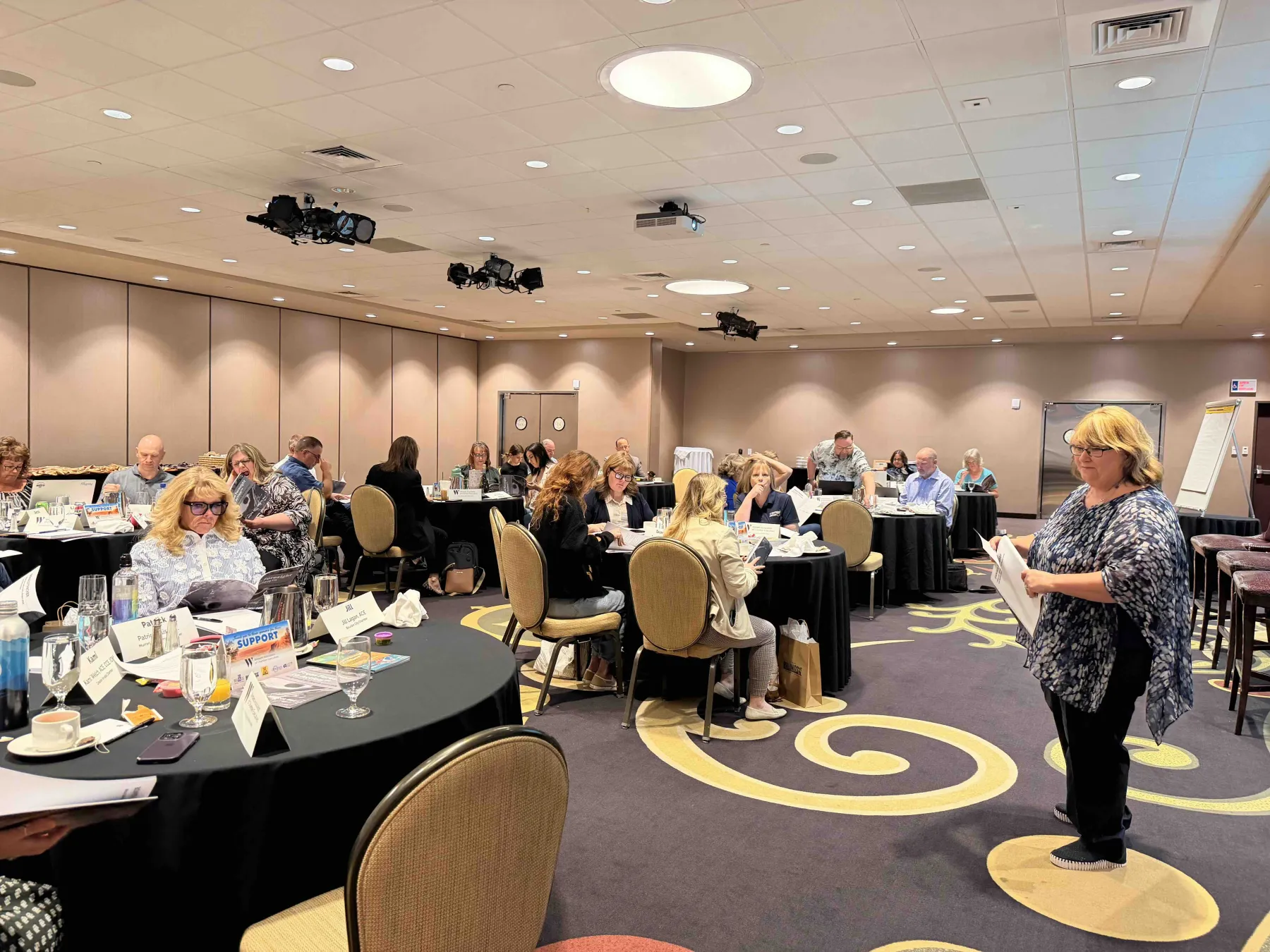

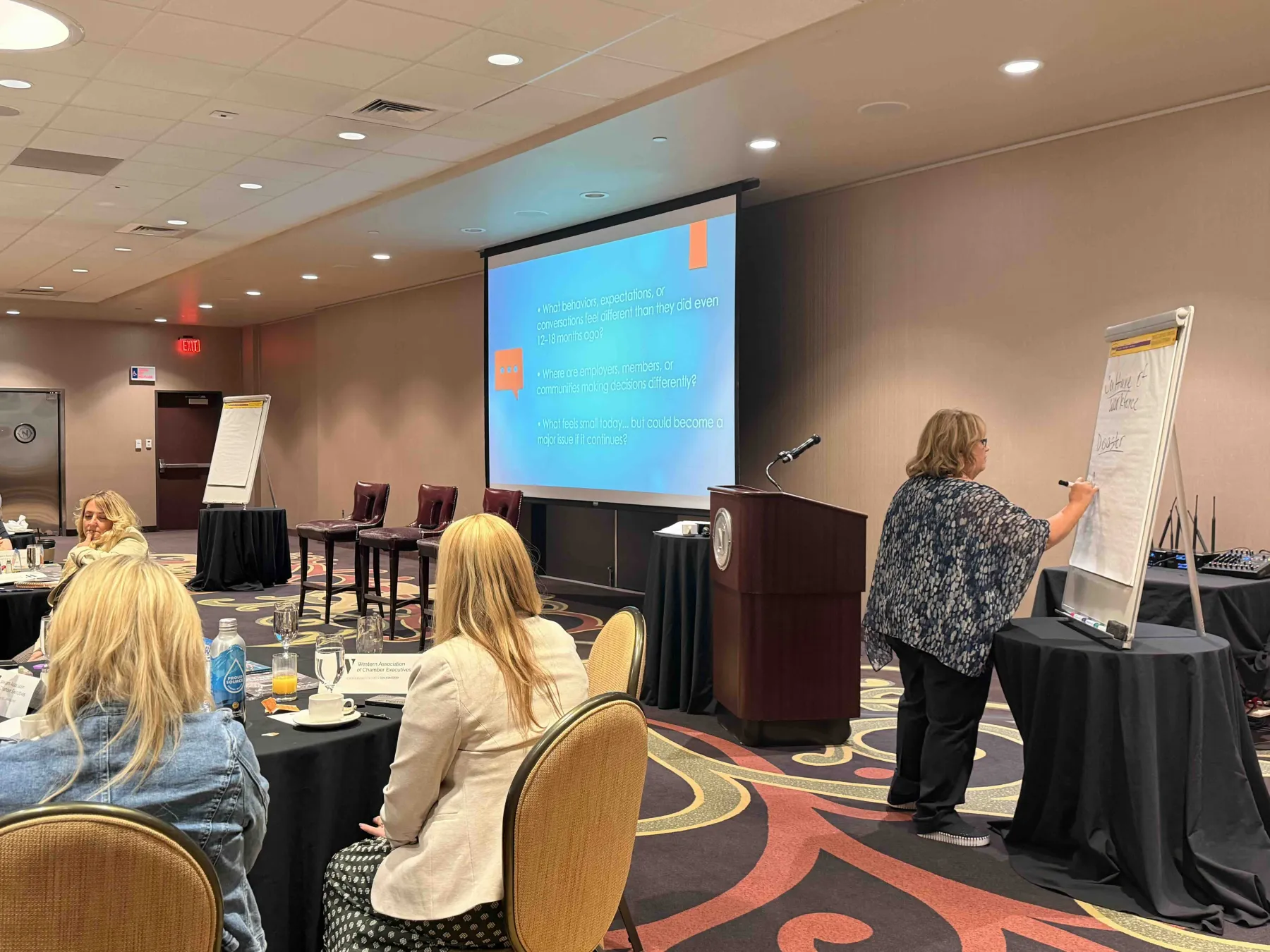
Boards and executive teams must deliver results today while preparing for conditions that may look very different in a few years. Workforce expectations, technology, regulation, demographics, funding, and customer or member behavior are shifting at the same time. A strategy can be sound when it is adopted and still need adjustment before the next planning cycle is complete.
Strategic foresight gives leaders a disciplined way to notice change earlier, understand what it could mean, and prepare for several plausible futures. It does not promise certainty. It improves the quality and timing of decisions.
The future begins as signals
Significant change often begins with signals that seem scattered or easy to dismiss. A hiring problem that appears isolated may be an early sign of a deeper shift in the labor market. A question from one member or customer may reflect changing expectations. A new regulation in another state may offer an early view of what could reach your organization later.
Environmental scanning turns those observations into a leadership practice. The work goes beyond collecting articles or making a list of trends. Leaders identify changes that could affect the mission, revenue, workforce, operations, advocacy, or stakeholder trust. They then consider whether each development is temporary, part of a larger trend, or an early sign of structural change.
The value comes from making sense of what is being observed. Which signals reinforce one another? What would have to happen for a small development to become consequential? What evidence would cause the board or executive team to pay closer attention?
Foresight strengthens strategic planning
Strategic planning establishes direction and priorities. Foresight tests whether the assumptions supporting that direction remain sound as conditions change. Organizations need both disciplines working together.
A strategic plan reflects the best understanding available when it is approved. Foresight helps leaders update that understanding without abandoning the organization’s purpose or changing priorities every time a new headline appears. It creates a thoughtful way to separate noise from developments that may require preparation or action.
An organization may rely on steady public funding, predictable workforce availability, in-person participation, continued population growth, or a familiar regulatory environment. Those conditions are assumptions. They may remain true, but they should not remain invisible.
Assumptions deserve attention
Every strategy carries assumptions about what customers, members, employees, funders, partners, and policymakers will do. Those assumptions are often the least examined part of the plan. They can also create the greatest risk when conditions change.
Boards and executive teams can make assumptions visible by asking a few direct questions:
- What must remain true for our current strategy to succeed?
- Which assumption carries the greatest consequence if it proves wrong?
- What are we seeing that supports or challenges that assumption?
- What would we do differently if the change arrived sooner than expected?
This discussion is especially important before a major capital commitment, a new program, a change in the revenue model, or another decision that would be difficult to reverse.
Scenarios make uncertainty useful
Scenario exploration gives leaders a small set of plausible operating environments and asks how today’s choices would hold up in each one. The goal is not to select the correct future. The goal is to understand where the organization is prepared, where it is exposed, and which choices remain sound under different conditions.
One scenario may reflect gradual change. Another may assume faster adoption of new technology or a sharper shift in customer behavior. A third may combine tighter funding with persistent labor constraints. The scenarios should grow from evidence and relevant signals, not imagination alone.
Leaders can then identify actions that make sense across several futures, preparations that become important if certain conditions develop, and signals that should remain under watch. A reversible pilot may be worth starting now. A major investment may require more testing. A partnership, new capability, or updated policy may take years to build and should begin before the need becomes urgent.
Future readiness is a leadership habit
Foresight loses much of its value when it is confined to an annual retreat or a trend presentation that never reaches a decision. Future readiness grows when foresight becomes part of the regular rhythm of governance and leadership.
The Foresight Governance Framework™ organizes that rhythm around four connected practices:
Sense what is changing. Interpret what it could mean. Decide what to act on, prepare for, or continue watching. Learn what happened and what should be adjusted.
This rhythm can fit within meetings that already exist. Ten focused minutes on external signals can be more useful than an occasional presentation disconnected from strategy. The goal is to keep the future from becoming an afterthought.
A board does not need to discuss every emerging issue. It does need a reliable way to decide which issues deserve attention, what evidence should be monitored, and when a signal has become strong enough to influence a decision.
Better questions improve preparation
Leaders do not need perfect information to begin. They need the discipline to ask questions that open the field of view and surface what the current plan may be taking for granted. A useful conversation can begin with these questions:
- What are we seeing now that was not visible a year ago?
- What could change faster than we expect?
- Where are we relying on yesterday’s patterns?
- Which decisions would be hardest or most expensive to reverse?
- What should we act on now, prepare for, or continue watching?
- What indicator would tell us it is time to adjust?
Future-ready organizations do not wait for uncertainty to disappear. They create a disciplined way to notice change, discuss it honestly, and act while meaningful choices are still available.
A practical place to begin is with one question on the next board or executive agenda: What are we seeing now that could change the choices available to us later? The answer may reveal what deserves a closer look before the next planning cycle arrives.