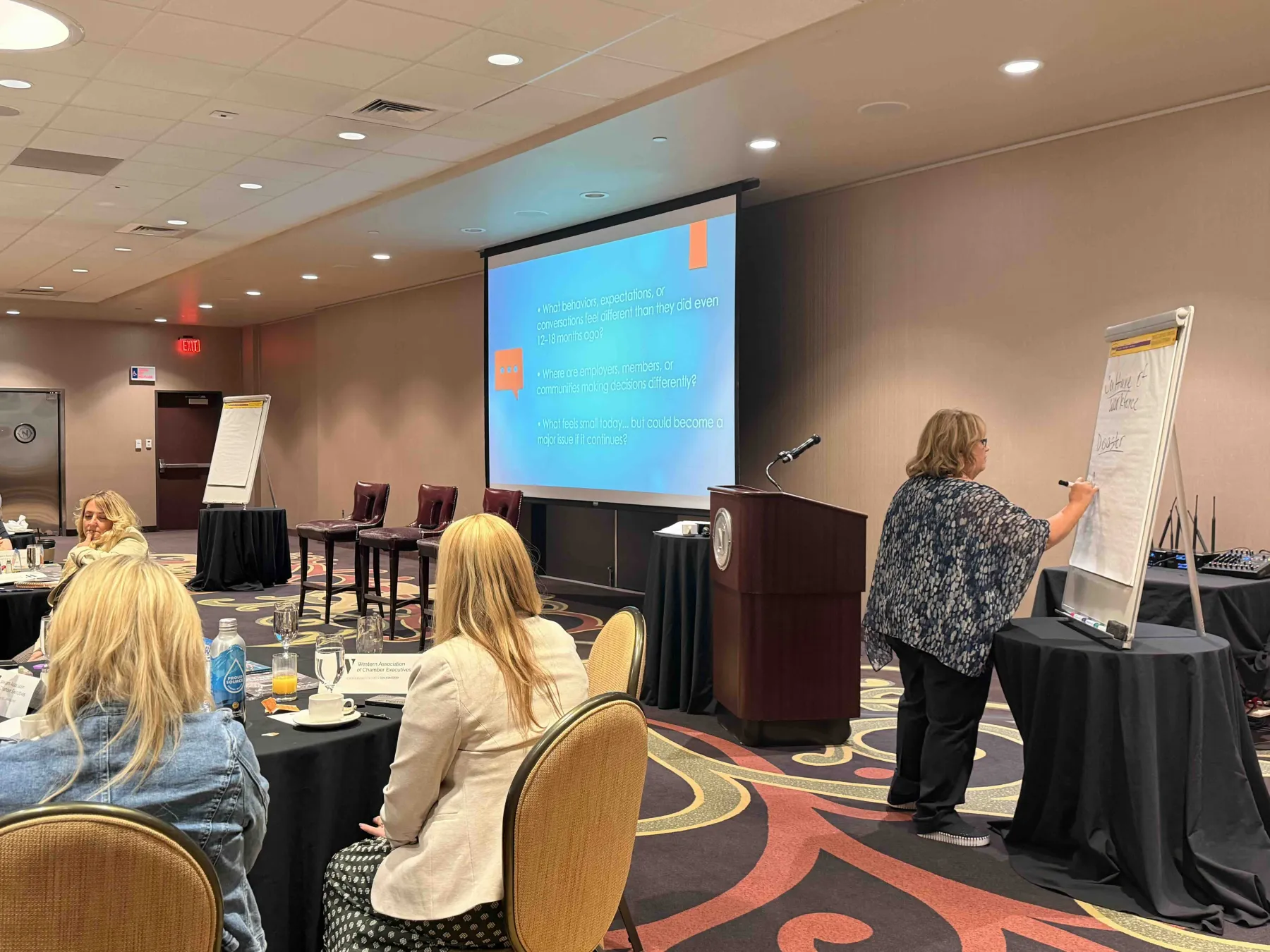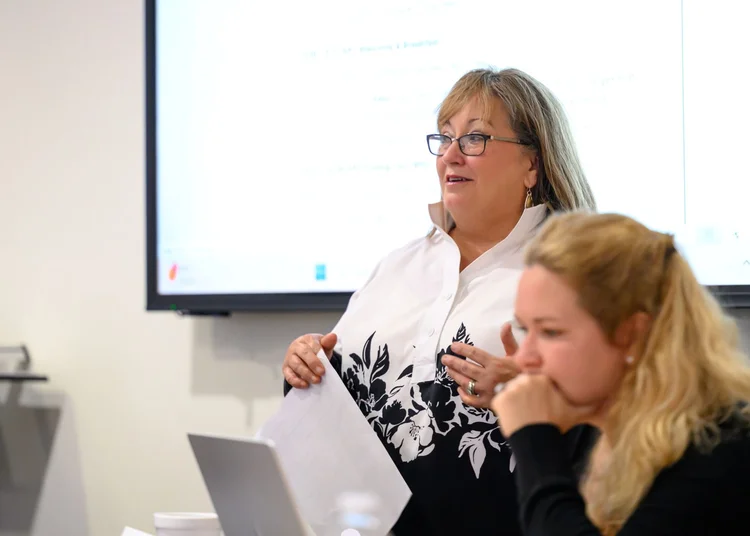
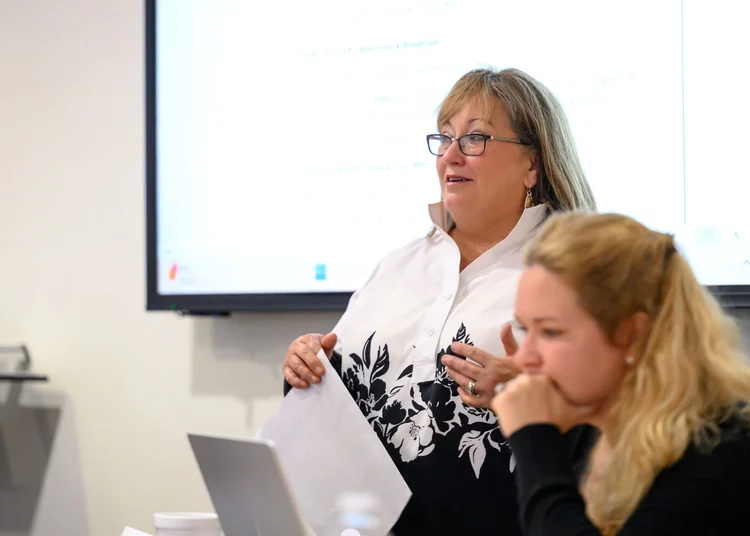
During four decades in chamber leadership, I have spent a great deal of time in rooms where people needed to learn, make decisions, or work through change. Those rooms have included board retreats, executive workshops, leadership programs, conference presentations, policy conversations, and customized learning experiences.
The format matters, but the real test is what happens when the session ends. Do participants understand the issue more clearly? Did the right conversation take place? Can they make the next decision or take the next step?
A full agenda does not guarantee a useful session. Neither does a polished slide deck. The work begins with a clear purpose and an honest understanding of the people in the room.
Begin with the result
Before developing content, I want to know what must be different when the time together is over. Does the group need to learn, explore, recommend, decide, or commit? Trying to accomplish all five in one session usually weakens the result.
The purpose determines the format. A board retreat focused on strategic direction needs room for evidence, tradeoffs, and decisions. An executive workshop should let participants apply the material to a current leadership question. A conference presentation may introduce an idea and give the audience a useful way to examine it later.
I am less interested in how many slides fit into the time than in what participants need from the time. A clear result helps determine what belongs on the agenda and what can be left out.
Understand the people in the room
The same topic should not be delivered the same way to every group. A board, executive team, staff group, leadership class, and conference audience bring different experience, authority, questions, and expectations.
Useful customization begins with listening. I want to understand the organization’s strategy, governance structure, current pressures, and the decisions participants face. I also want to know whether an unresolved issue sits beneath the stated agenda, whether a few voices tend to dominate, and how comfortable people are disagreeing openly.
Changing the logo on the first slide is not customization. The content, questions, examples, pace, and level of participation should reflect the people and conditions in the room.
Know which role the session requires
Facilitation, teaching, and speaking are related, but they are different jobs. Facilitation helps a group examine an issue together, hear perspectives already in the room, and move toward a decision or another clear point of closure. The facilitator designs and manages the process without taking over the group’s decision.
Teaching builds knowledge and practical capability. It explains a concept, connects it to what participants already know, and gives them a chance to test their understanding. Speaking distills an important idea for a larger audience and offers a clear way to think about it. A workshop combines instruction with active application.
Many sessions include more than one role. The person leading the session must know when to provide expertise, when to ask questions, and when to step back so the group can do its work.
Use disagreement as information
Boards and leadership teams do not need to think alike to work well together. Different views can reveal competing assumptions, missing evidence, or concerns that have not been stated clearly.
A facilitator may need to slow the conversation, clarify the point of disagreement, separate fact from opinion, or invite a voice that has not been heard. The goal is not to force consensus. Some questions require a board vote, a CEO decision, additional research, or a clear record that the group has not yet resolved the issue.
Fair process does not mean passive facilitation. Subject knowledge helps the facilitator recognize vague reasoning and ask better questions. It should never become a hidden effort to steer the group toward a preferred answer.
Make complex ideas usable
Adults bring experience and practical questions into the room. They are more likely to use new material when it connects to a responsibility or decision they already carry.
Foresight becomes useful when leaders identify signals, consider implications, and test assumptions. Governance becomes clearer when directors apply role and decision questions to realistic situations. Strategy becomes practical when leaders make choices about priorities, resources, and what will be deferred. Workforce and advocacy sessions gain value when broader information is connected to local conditions and decisions. Organizational change becomes more manageable when leaders examine pace, communication, and capacity.
A focused example, a useful question, or time to practice can accomplish more than another block of explanation. The material should be simple enough to use without reducing the issue to a slogan.
Design participation with purpose
Participation should be intentional rather than constant. Quiet reflection, small group work, full group discussion, and direct instruction each serve a different purpose. The format should match the work people are being asked to do.
Participants need enough shared context before they can contribute well. They also need confidence that questions and respectful disagreement will not be dismissed. The facilitator should create room for quieter voices and prevent one person from controlling the conversation.
Pacing matters. Long stretches of presentation reduce attention, while nonstop activity leaves little time for deeper thinking. The agenda should protect the most important work so routine updates do not consume the time intended for a strategic conversation.
Connect the session to what happens next
A useful session should close with clarity about what was learned, what was decided, what remains unresolved, and what happens next. A retreat or executive workshop may need named owners, timing, and a follow-up conversation. A leadership program or conference session may end with one question to carry back or one action to try.
One session can create movement, but it cannot replace leadership discipline. Decisions and commitments need a place in the organization’s regular work. Follow-through may include a written summary, a decision tool, a check-in with leadership, or a later session that builds on the first.
Questions to ask before designing a session
- What must be different when the session ends?
- Who is providing input and who has decision authority?
- What does the audience already know and where do views differ?
- Which evidence or background will people need to contribute well?
- What could prevent the group from reaching the desired result?
- How will decisions, learning, or commitments carry into the next meeting?
Experience has taught me to judge a session by what happens in the room and afterward. Did people examine the real issue? Did the right voices contribute? Did participants leave clearer about what they understand, what they decided, and what comes next?
When the answer is yes, facilitation, teaching, and speaking have done their job.